


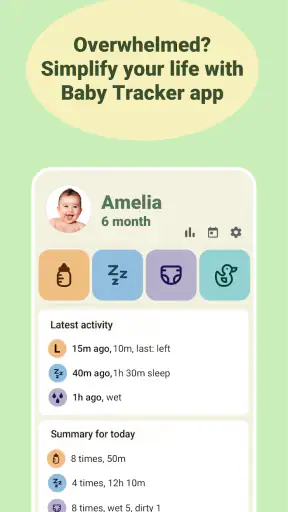
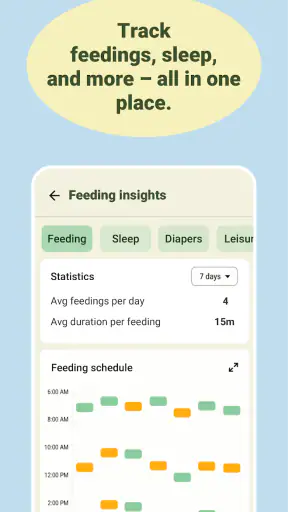
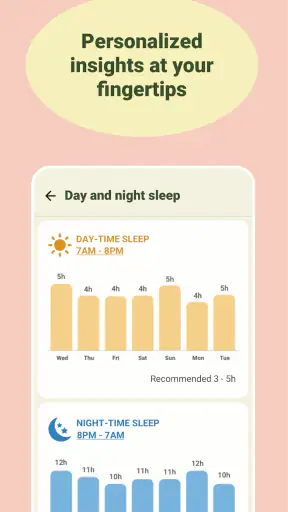
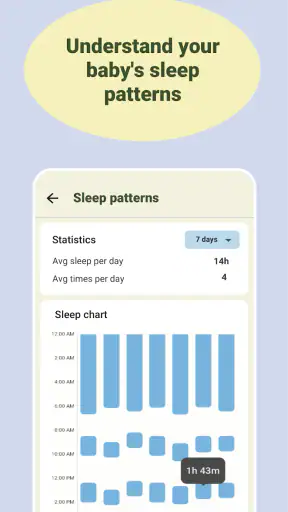
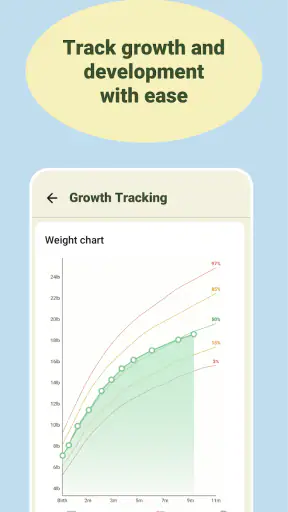
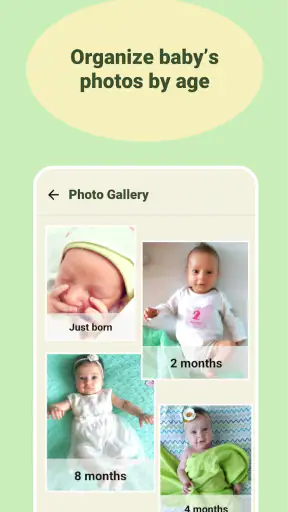
During the first weeks with a baby, ordinary questions can become surprisingly difficult to answer: When was the last feed? Which side did I use? How long did the nap last? Baby tracker - feeding, sleep is designed for exactly that kind of mental overload. It is a free parenting app from Amila that puts feeding and sleep notes in one place, so I can record what happened instead of trying to reconstruct the day from memory.
After using it as a practical log rather than treating it like a medical tool, I found its biggest strength to be simplicity. The app is not trying to replace a pediatrician, diagnose a sleep issue, or turn parenting into a competition. Its value is more modest and more useful: it gives tired parents a repeatable way to capture details and notice routines. That makes it especially helpful when several caregivers share responsibility or when every day feels too busy to remember accurately.
How the everyday workflow feels with a newborn
The most sensible way to use this parenting app is to make recording part of the event itself. When feeding begins, I log it immediately; when the baby settles for a nap, I start the sleep entry; when the baby wakes, I finish it while the information is still fresh. This is much more reliable than waiting until the evening and attempting to remember a sequence of feeds and naps.
That habit matters because newborn days are repetitive. A feed can feel identical to the previous one, and a short nap can blur into a longer rest period. A tracker gives each event a place and a time, which reduces the amount of guesswork involved when someone else asks what happened earlier. It is also useful during handoffs: a partner or family member can look at the recent record instead of interrupting an exhausted parent for every detail.
I would not use it as a rigid timetable. Babies rarely follow a perfect schedule, and a log should describe the day rather than dictate it. The useful question is not whether the baby matched an ideal pattern; it is whether the record helps me see what actually happened. That distinction keeps the app practical and avoids turning normal variation into a source of unnecessary anxiety.
One realistic scenario is a night when I am awake only briefly and cannot trust my memory in the morning. Recording the feed and sleep event at the time creates a simple reference for the next day. Later, if the baby seems unusually unsettled, I can review the sequence and discuss it more clearly with a healthcare professional. The app does not provide the medical conclusion, but it can make the conversation less vague.
Building a record that remains useful
Consistency is more important than perfection. If I record every small detail on one day and almost nothing on the next, the resulting history becomes difficult to interpret. A better approach is to decide what I genuinely need to track and repeat that approach. For many families, feeding and sleep are the essentials; adding information only makes sense when it helps answer a real question.
I also recommend agreeing on a shared routine with anyone else caring for the baby. One person can easily assume that another has logged an event, especially during a busy morning. A simple rule such as “record it immediately unless somebody else confirms they already did” prevents gaps. This is one of the less obvious benefits of a tracker: it can improve coordination between adults, not just personal memory.
The app is available for everyone and is free to start using, which removes much of the risk involved in trying it. There are optional in-app purchases ranging from a few dollars to around thirty dollars per item, so I would look carefully at any paid option before committing. Parents who only want a basic log may find the free experience sufficient, while those considering extras should decide based on a specific need rather than buying simply because they are tired.
Settings and habits worth checking first
Before relying on the app for several days, I would spend a few minutes checking how entries are organized and which parts of the record I actually intend to use. The best setup is the one that can be completed with minimal attention. If recording an event requires too many taps or too much detail, I am more likely to postpone it, and delayed entries are less trustworthy.
It is worth deciding in advance whether the app will be used mainly for personal memory, caregiver communication, or preparation for a medical appointment. Those goals lead to different levels of detail. A parent who wants a quick overview may need only the event and timing. Someone preparing to discuss feeding concerns may prefer to be more consistent about the information available in each entry. The important point is to choose a sustainable level instead of attempting to document everything.
I would also establish a daily review moment, preferably at a calm time rather than during a crying spell. A quick look back can reveal missing entries and show whether the routine is changing. This is not about judging the baby’s performance. It is about checking whether the record is complete enough to be useful tomorrow.
Another practical tip is to keep the phone workflow predictable. I would place the app where it is easy to reach and avoid switching between several unrelated note-taking methods. If one feed is recorded in the tracker, another in a message, and a nap only in memory, the information becomes fragmented. A single consistent destination is more valuable than a more elaborate system that I rarely maintain.
Faster patterns for exhausting days
Experienced use comes from reducing decisions. I would use the same sequence every time: open the app, choose the relevant activity, record it, and return to whatever the baby needs. Repeating that pattern makes logging feel like a small reflex rather than another task on a long parenting list.
For overnight use, speed is especially important. I would avoid trying to analyze the day in the middle of the night. The goal then is simply to capture the event accurately enough to recognize it later. A fuller review can wait until morning. This separation between quick recording and later interpretation prevents the tracker from becoming a reason to stay awake longer.
It can also help to review patterns in blocks instead of checking after every individual event. Looking at a broader stretch of the day makes it easier to notice whether naps are generally short, whether feeds cluster at certain times, or whether a disrupted night was an isolated occurrence. One difficult period should not automatically be treated as a new routine.
When two caregivers use the app, I would make handoffs explicit. A short verbal confirmation—who logged the last event and what still needs attention—can prevent duplicate entries. The tracker supports a shared picture only when the adults use it with the same expectations. No app can correct a workflow that the household has not agreed upon.
There is also a useful trade-off between detail and durability. More information can be helpful when investigating a specific concern, but excessive logging can make the habit collapse after a few days. I would begin with the smallest record that answers my main questions, then add detail only if the basic log exposes a genuine need. That approach is more likely to produce a continuous history than an ambitious system abandoned halfway through the week.
Where the app helps, and where it reaches its limits
The app’s focus is a strength for parents who want feeding and sleep together without building a complicated spreadsheet. It is less suitable for someone looking for a complete household management system, a developmental journal, or professional medical monitoring. A general notes app may be better for free-form observations, while a broader family organizer may suit households that need calendars, shopping lists, and appointments in the same place.
I would also be careful about interpreting patterns too confidently. A record can show that sleep was fragmented or that feeds occurred close together, but it cannot explain why. Babies change quickly, and a few entries do not establish a diagnosis or a rule. If something seems concerning, the appropriate next step is a qualified healthcare professional, with the tracker used as supporting context rather than authority.
Another limitation is the possibility of turning tracking into pressure. Parents can start comparing their records with imagined standards and feel that every irregular nap represents failure. That is the wrong way to use it. The app is most helpful when it reduces uncertainty and supports communication; it becomes counterproductive when it encourages constant checking or guilt.
The free price makes experimentation easy, but optional purchases mean I would still inspect the purchase screen carefully. This matters particularly for new parents who may tap quickly while distracted. I prefer deciding whether an extra is genuinely useful after establishing a basic routine, rather than assuming that paying will automatically solve a workflow problem.
Its long presence also gives it a sense of maturity: Amila released the app in July 2017, and it has since reached over a million installs. It holds an average rating of 4.9 from roughly 134 thousand ratings, alongside around 9.2 thousand written reviews. Those figures suggest that many parents find the approach valuable, but they do not remove the need to test whether its recording style fits my own household.
Who should use it and who should skip it
I would recommend it to first-time parents who want a straightforward record, families sharing baby care, and anyone who regularly forgets the timing of the last feed or nap. It is also a good fit for parents who prefer a focused tracker over a large package of unrelated baby features. The Everyone age rating makes it broadly accessible, although the actual user will usually be a parent or caregiver.
I would be more cautious if I already maintain a reliable system that combines feeding, sleep, appointments, and notes in one place. Moving information into another app may create duplication rather than clarity. I would also skip it if tracking makes me more anxious, or if I expect the app to tell me whether the baby is healthy or what schedule to follow. Those expectations go beyond what a practical log should provide.
For parents who need highly specialized clinical documentation, a tool recommended by their healthcare team may be a better choice. For parents who only need occasional reminders, a simple note may be enough. The advantage here appears when the need is regular, structured recording without the burden of a full medical or family-management platform.
My verdict after making the routine repeatable
The real strength of Baby tracker - feeding, sleep is not that it promises to understand the baby; it helps me remember the day. That is a small promise, but during the newborn stage it can have genuine practical value. When I use it consistently, keep entries simple, and review them at sensible times, it becomes a dependable memory aid rather than another source of work.
I especially like the combination of feeding and sleep tracking because those activities shape so much of a baby’s day and are easy to confuse when I am tired. The app works best when the household agrees on a quick recording habit and treats the history as information, not a scorecard. That workflow is more important than any individual setting.
My recommendation is therefore positive but specific. Try it if you want a focused, free starting point for recording feeds and sleep, and give yourself several days to see whether the habit feels natural. Be selective with optional purchases, avoid drawing medical conclusions from simple patterns, and choose another solution if you need a broader organizer or clinical-level record. With those expectations, this app can quietly remove one frustrating piece of mental load from early parenting.


